Strategy
How to Choose a Documentary Filmmaker in the Bay Area
Hiring the wrong filmmaker rarely looks like bad footage. It looks like a beautiful film that doesn't move your board, raise the money, or sound like the people in it.
- Published
- Reading time
- 7 min read
- Author
- Leomar Moring
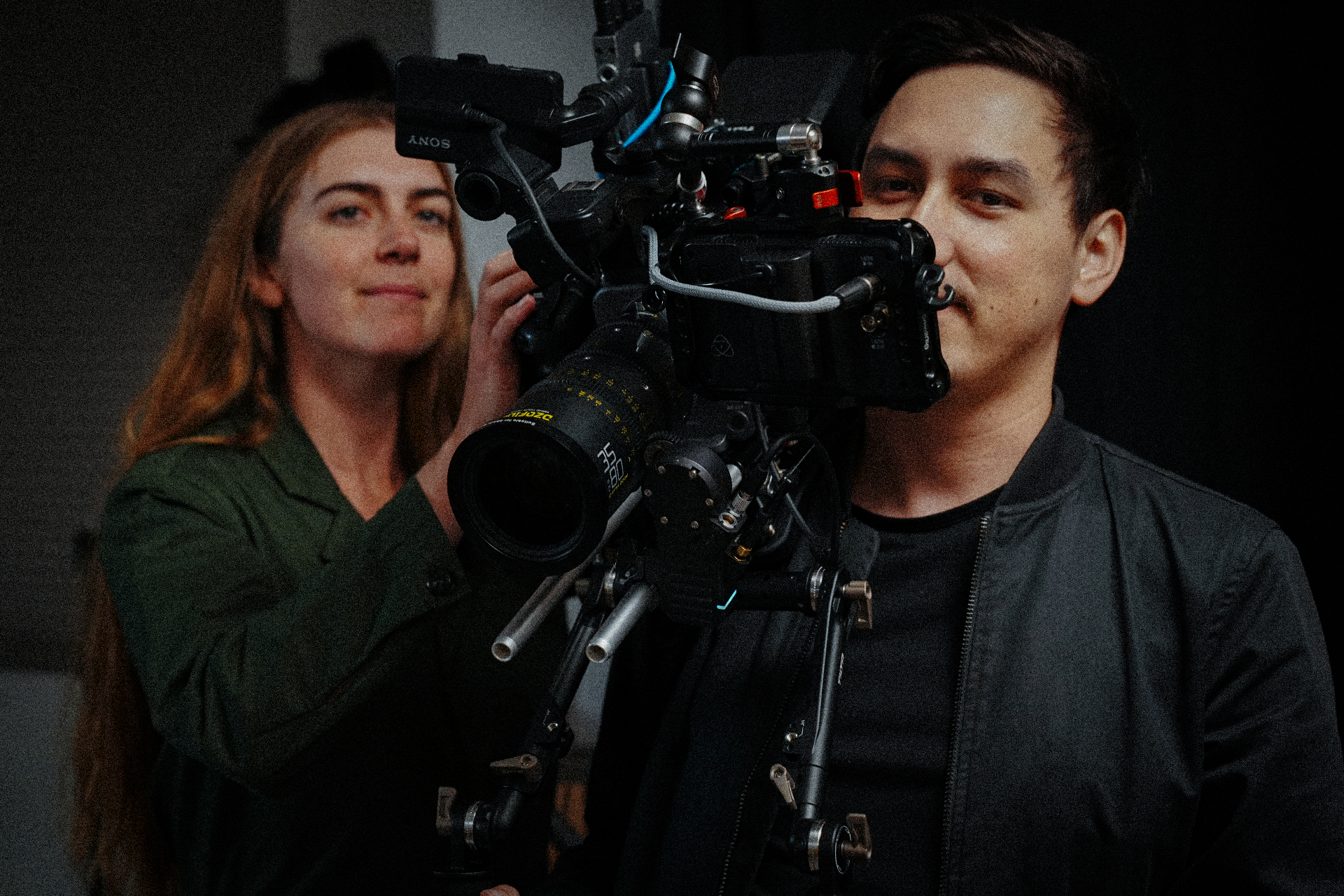
Every year I talk to organizations that already tried once — they hired someone with a great reel, the footage came back beautiful, and the finished film still didn't work. It didn't move their board. It didn't raise the money. It didn't sound like the people in it. That's usually not a camera problem. It's a hiring problem.
If you're a nonprofit, public agency, or mission-driven organization in the Bay Area trying to find the right documentary filmmaker, here's what I'd actually look for — not just what sounds good on a website.
Documentary experience is not the same as video experience
A lot of people who shoot weddings, corporate testimonials, or brand content can technically operate a camera at a high level. That's not the same skill as documentary work. Documentary filmmaking means being comfortable with a story that isn't fully scripted yet, sitting with a subject long enough for them to stop performing, and knowing which fifteen seconds of a ninety-minute interview actually carry the truth of what someone said.
Ask to see documentary work specifically — not just a highlight reel of pretty shots, but a finished piece with real interview subjects, and ask what the filmmaker's role was on it. "I edited someone else's footage" and "I did the interviews, shaped the narrative, and led the project" are very different levels of experience.
Look for process, not just a portfolio
The strongest documentary work I've seen — and the strongest work I try to do myself — starts with strategy before anyone touches a camera. That means understanding your organization's actual communication goal, who the audience is, and what you need the story to accomplish, before locking in a shot list.
If a filmmaker's first question to you is about your budget or your shoot date, and not about your audience or your goal, that's worth noticing. A good process usually looks something like: discovery conversations, research into the people and subject, a clear strategy for message and format, then production, then edit, then delivery built for wherever the piece will actually live — your website, a board meeting, social, a fundraising event.
Ask how they handle interviews
This is the part that makes or breaks a documentary. Anyone can ask questions. Fewer people know how to make someone comfortable enough to say something honest on camera, especially when the subject matter is difficult — historical trauma, public testimony, a personal story tied to someone's livelihood or safety.
Ask directly: "How do you prepare someone before an interview? What do you do if they freeze up or get emotional?" A filmmaker who's actually done this work will have a real answer, not a vague one.
Get specific about deliverables
"A documentary" can mean a 90-second social cut or a 40-minute feature, and a lot of miscommunication happens when that's never nailed down in writing. Before you sign anything, get clear on exactly what you're receiving: length, number of versions, whether captions and accessible formats are included, and what platforms it needs to work on.
Why local matters more than people think
Whether you're specifically looking for a San Francisco documentary filmmaker or casting a wider net across the region, you can absolutely hire someone from outside the Bay Area to film here. But a filmmaker who already knows the area — the communities, the public agencies, the nonprofit landscape, even just the practical logistics of shooting in San Francisco versus the East Bay versus the North Bay — starts a project with context you'd otherwise have to explain from scratch. That context often shows up in small but real ways: knowing how to talk to a skeptical interview subject in a community that's been over-promised before, or understanding the sensitivities around a specific local issue.
What affects cost and timeline
There's no single answer to "how much does a documentary cost" — it depends entirely on scope. A short fundraising film built around one or two interviews and existing footage is a very different project from a feature-length documentary shot over months with archival research, multiple locations, and festival-level post-production.
Ask a filmmaker to walk you through what actually drives their pricing: number of shoot days, number of interview subjects, whether original music and color grading are included, and how much time is budgeted for edit revisions. A clear answer here is another sign you're talking to someone who runs this as a real process, not just a day-rate camera operator.
Timeline works the same way. A short piece can sometimes move from kickoff to delivery in four to six weeks. Anything involving extensive interviews, archival material, or a longer runtime should be planned in months, not weeks — a filmmaker who promises a fast turnaround on a complex story is a flag worth noticing.
A short list of questions worth asking before you hire
Can I see a full documentary piece, not just a reel — and what exactly was your role on it? How do you prepare interview subjects, especially for sensitive topics? What does your process look like between the first conversation and the final delivered film? What exact deliverables and formats are included? Have you worked with nonprofits or public agencies before, and can I talk to one of them?
If a filmmaker can answer all of that clearly, you're in good hands. If the answers are vague, that unclear-ness usually shows up again later — in the footage, the timeline, or the finished piece not saying what you needed it to say.
I do this work for nonprofits, public agencies, and mission-driven organizations across the Bay Area — from board-approved fundraising films to a feature documentary on suppressed civil rights history. You can see more examples of that kind of work here. If you're evaluating filmmakers for a project, I'm happy to talk through what you're trying to accomplish, even if it turns out I'm not the right fit. Start the conversation →
Related notes
Strategy
How to Write a Video Production Brief Your Nonprofit's Board Will Approve
· 4 min read
A practical guide for nonprofit and public agency communications teams on writing a video production brief that gets board or leadership sign-off.
Strategy
Nonprofit Video Production Budgeting & Pricing Tiers
· 6 min read
A transparent guide to how nonprofit video production is priced — the variables that move a budget, and the common tiers mission-driven organizations should plan around.
Strategy
Why Story Strategy Comes Before Production
· 5 min read
A camera can't fix an unclear message — why the strategy conversation has to happen before anyone books a shoot day.
Have a story you'd like to talk through?
These notes come from working with real people on real stories. If something here connects to a project you're planning, I'd like to hear about it.