Documentary
Building Trust Through Documentary Interviews
People don't give you their real story on camera because your questions were good. They give it because they trust the person asking — and trust isn't something you can build in the ten minutes after the crew arrives. It's something you practice across the entire relationship, long before the camera is ever unpacked.
- Published
- Reading time
- 5 min read
- Author
- Leomar Moring
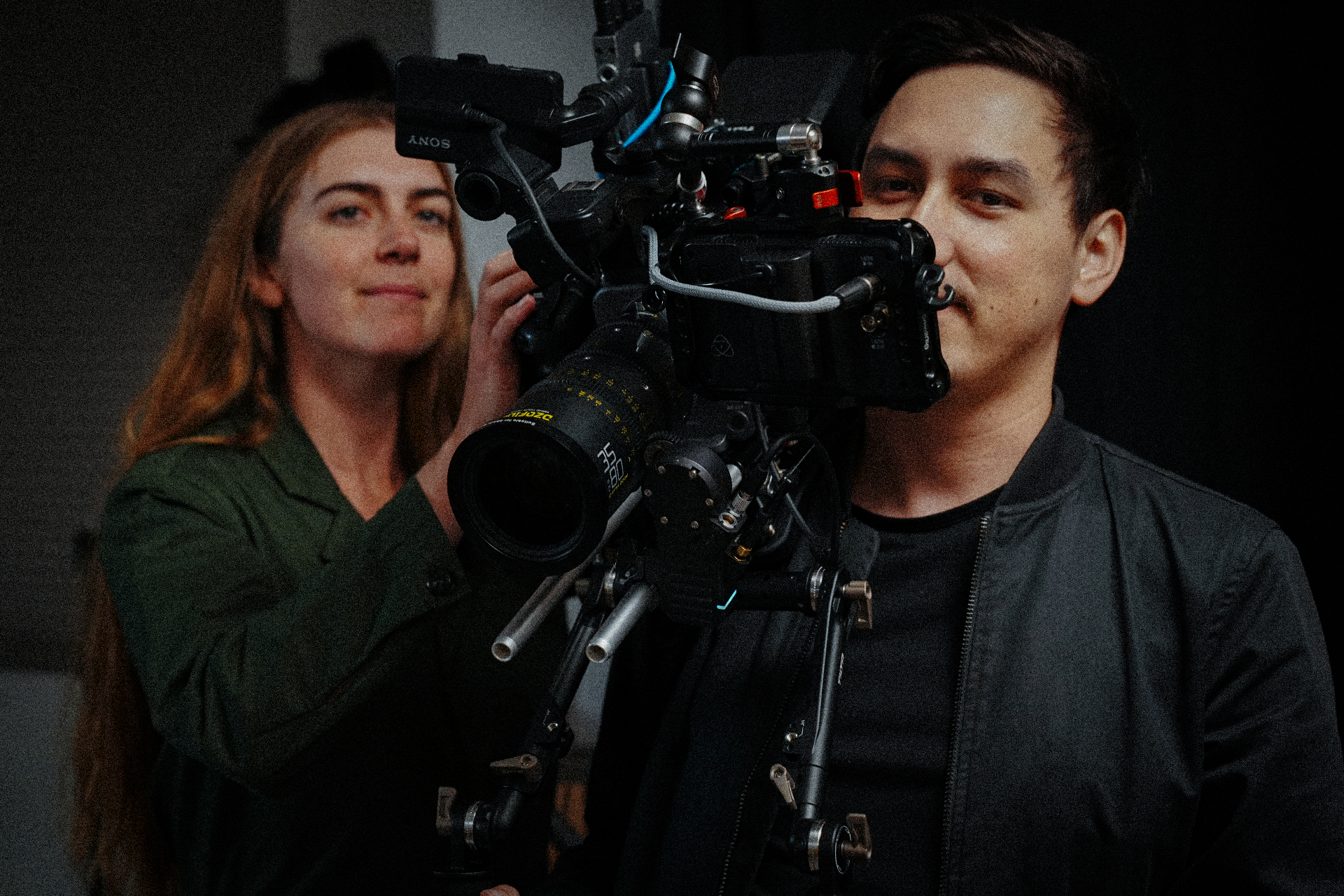
A documentary interview looks simple from the outside: two chairs, a camera, a conversation. What actually determines whether it works was decided weeks earlier — in a phone call, in an email, in how honestly you answered when someone asked what would happen if they said something they later regretted. By the time the red light comes on, most of the interview has already happened.
Trust starts before the camera does
Before any shoot, I do a real pre-interview conversation — not to rehearse answers, but so nothing about the process is a surprise. I explain where the footage will live, who will see it, and how editing works: that a rambling twenty-minute answer can be trimmed to the best forty seconds, and that they'll never be ambushed with a question they weren't prepared for. People can't be generous with their story while they're braced for a trick. Remove the fear of the unknown and what's left is usually a person who wants to talk.
Preparation also means doing the homework. If I'm interviewing someone about their work, I learn their work — not to perform expertise, but so I don't waste their time asking them to explain basics I could have learned myself. Subjects notice the difference immediately. Someone who did their reading gets a very different interview than someone reading questions off a card.
Listening to the answer, not the question list
I always walk in with questions, and I rarely follow them in order. The list is a map, not a script. The job in the moment is to listen to what was actually said — and, more importantly, to what was almost said. When someone pauses mid-answer, or answers a slightly different question than the one I asked, that's not a failure of the interview. That's usually where the real story is, and it's my job to notice and follow it rather than steer back to my outline.
“The most important moments in an interview tend to arrive right after someone finishes an answer — in the quiet beat where they decide whether to keep going.”
That's why I leave space. It's tempting to fill every silence with the next question — it feels efficient, and it keeps the energy up. But silences are where people finish their thoughts. Counting to three before I speak again has done more for my interviews than any piece of gear I've ever rented.
Reading when to push and when to let it sit
There's a judgment call in every interview about how far to go. When a subject touches something tender, I've learned to read the room before deciding: sometimes a gentle follow-up invites them to say the thing they're circling, and sometimes it's pressure they don't need on camera. The difference is usually in their body language, not their words. When I'm unsure, I offer the exit rather than the push — "we can come back to that, or skip it entirely." Paradoxically, people often go further once they know the door is open in both directions.
Respecting what a subject chooses not to share
Every subject owns parts of their story, and not every part is on offer. If someone tells me a topic is off limits, that's the end of it — not a negotiating position. This isn't just about the day of the shoot, either. Trust survives the edit or it doesn't survive at all: how faithfully I use someone's words after the crew has packed up is part of the same promise. A subject who watches the finished film and sees themselves represented honestly will tell the next person that the experience was worth it. That reputation does more for the next documentary than any cold outreach ever will.
Related notes
Interviews
How I Help People Feel Comfortable on Camera
· 5 min read
Trust begins before the interview. A thoughtful production environment can help people feel prepared, respected, and able to speak naturally.
Ethics
The Responsibility of Filming Difficult Testimony
· 5 min read
Filming painful or historically significant testimony carries responsibilities before, during, and after the camera is on — some thoughts on what that looks like.
Documentary
Lessons From Long-Form Documentary Production
· 5 min read
What changes when a project stretches across months instead of days — patience, continuity, and the urgency of getting a story before it's too late.
Planning interviews where people actually open up?
Whether it's a documentary, a client story, or a testimony that deserves care, the interview only works if your subject trusts the process. I'd be glad to talk through how I build that before the camera ever rolls.