Ethics
The Responsibility of Filming Difficult Testimony
Some of the most important stories to tell are also the hardest to film responsibly. These stories matter, and getting the process right matters just as much as the final footage.
- Published
- Reading time
- 5 min read
- Author
- Leomar Moring
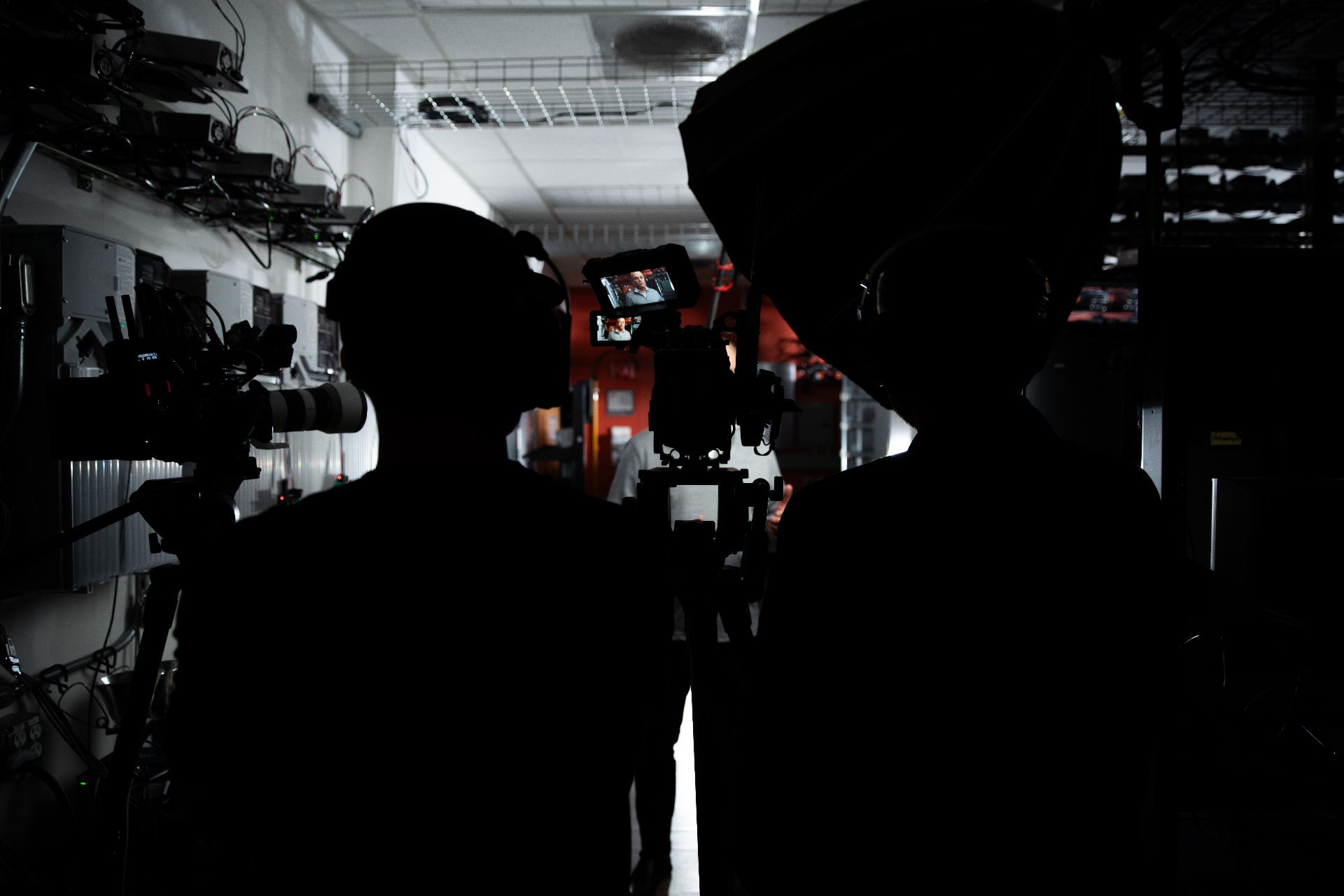
Some of the most important stories to tell are also the hardest to film responsibly — survivor testimony, accounts of loss, historical trauma, patients describing illness, communities describing harm they've experienced. These stories matter, and getting the process right matters just as much as the final footage.
Informed consent means actually informed
A release form signed in the first five minutes of meeting someone isn't the same as informed consent. I try to make sure a subject genuinely understands how footage will be used, where it might appear, and what they can ask to have removed — before, not just at, the point of signing something. If someone doesn't fully grasp what they're agreeing to, the fact that they signed something doesn't make it ethical.
The subject's comfort matters more than the shot list
If someone becomes visibly distressed during an interview about difficult material, my first response is to empathize with them, person to person, before thinking about the interview at all. Whatever happens with the footage comes second to how that person is doing in the moment. No piece of footage is worth a subject leaving an interview feeling worse than when they arrived.
Context protects against exploitation
Painful testimony, shown without the surrounding context of who the person is and why their story matters, risks reducing someone to their worst moment. Part of the responsibility in editing this kind of material is making sure a subject is represented as a full person — not just as a source of a powerful five seconds of footage.
Review isn't a courtesy, it's part of the process
For particularly sensitive testimony, I try to give subjects a chance to see how their story is being used before it's finalized — not necessarily full editorial control, but a real opportunity to flag if something feels misrepresented or exposes more than they intended. This takes extra time. It's worth it.
Some stories carry weight after the project ends
Difficult testimony can affect a subject even after filming wraps — reliving painful material, or dealing with the exposure of a story becoming public. Checking in after a project is done, not disappearing the moment the footage is delivered, is part of taking the responsibility seriously all the way through.
Why this matters beyond ethics
Handled well, this kind of work can help people feel truly heard, sometimes for the first time. Handled carelessly, it can cause real harm and damage a subject's trust in ever telling their story again. That's the weight this kind of filmmaking carries, and it's worth naming directly rather than treating it as a footnote to the craft.
Approaching difficult testimony with care.
If you're working on a project involving difficult or historically significant testimony and want to talk through how to approach it responsibly, I'd welcome that conversation.