Documentary
What Ten Years of Filming Myself Taught Me Before I Ever Filmed Anyone Else
I didn't set out to become a filmmaker. At fifteen, a couple of years after moving to the U.S., I got into Parkour after watching videos on YouTube. I started filming myself training, mostly just to see how I was progressing.
- Published
- Reading time
- 5 min read
- Author
- Leomar Moring
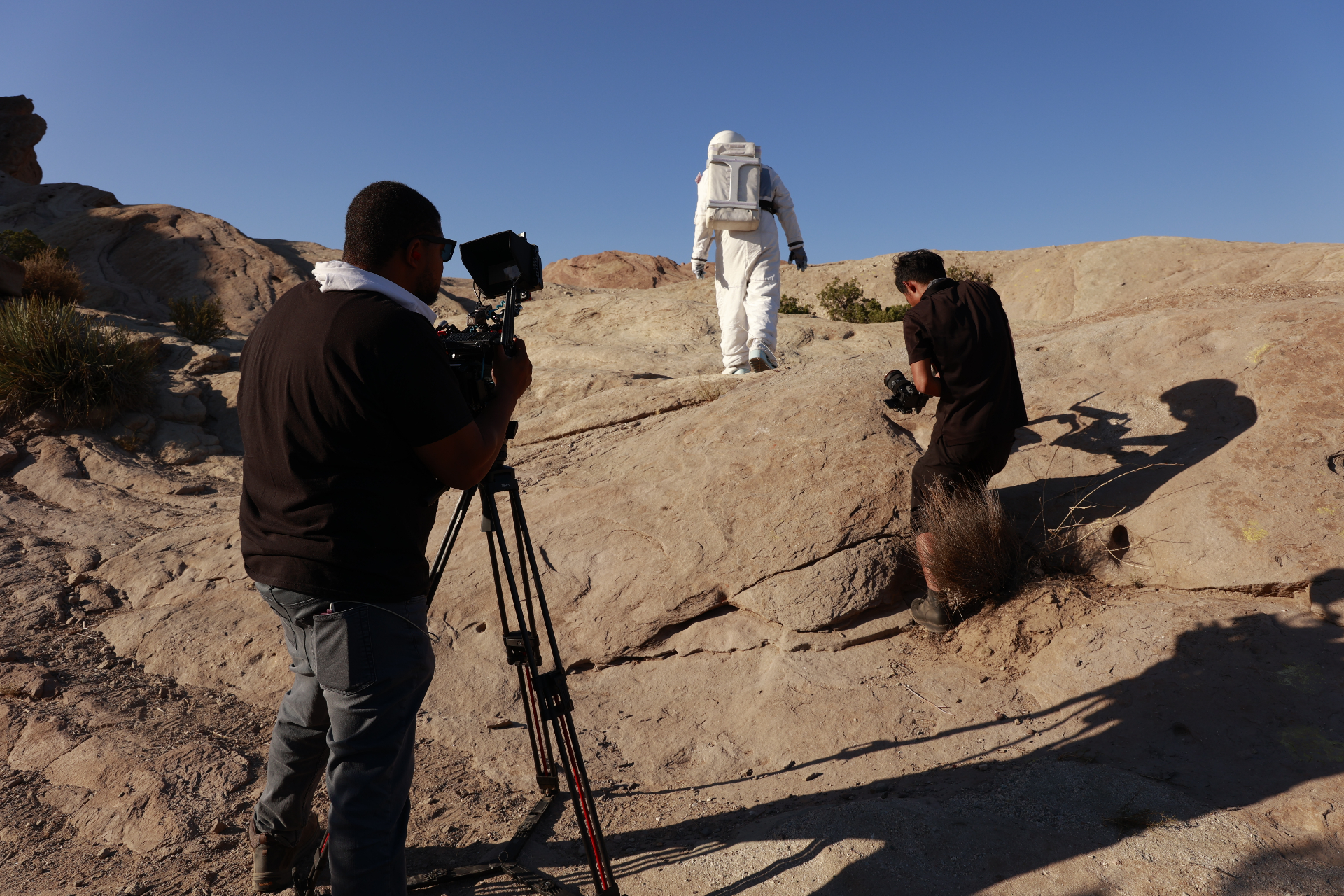
I didn't set out to become a filmmaker. At fifteen, a couple of years after moving to the U.S., I got into Parkour after watching videos on YouTube. I started filming myself training, mostly just to see how I was progressing. I had no idea at the time that this was the actual first step into a career.
For the next ten years, that's how I learned — filming Parkour, then travel and adventure footage, teaching myself everything through YouTube and repetition. I never went through a formal film program for this part of the journey. Looking back, I think that shaped how I work more than any class could have.
Self-taught means everything had to actually work
When you're learning from a textbook or an instructor, you can absorb a rule without immediately testing whether it holds up. When you're learning by filming yourself doing Parkour, over and over, for years — a technique either works or it doesn't, right there on the footage. There's no partial credit. That kind of feedback loop builds a different relationship with craft: you stop caring about doing things the "correct" way and start caring about doing things the way that actually captures what's true.
Documenting yourself is a strange kind of training for documenting others
Filming my own training meant I was simultaneously the subject and the camera operator — which forces you to think about framing, pacing, and story from both sides at once. You learn what makes footage of a real moment feel honest versus staged, because you lived the moment you're trying to capture. That instinct carried over directly once I started filming other people's stories: weddings first, then documentary work.
The long way in isn't a disadvantage
It took about eight years of steady work before I could go full-time, and the first year of doing this full-time was genuinely difficult. I don't think that slow build was a detour from a "real" career — I think it was the actual training. The technical skill mattered less than the patience I built waiting for a shot, a moment, or a client relationship to develop over years rather than weeks. That's the same patience long-form documentary work demands, and I built it long before I ever worked on a documentary.
Where that curiosity started
I've been drawn to other people's stories since I was a kid, watching travel shows and documentaries. That fascination with how a story gets told — not just what happens, but how someone chooses to show it to you — was there well before I owned a camera. The camera just gave me a way to act on something I already cared about.
Related notes
Documentary
Coming SoonBuilding Trust Through Documentary Interviews
Documentary interviews require more than questions. They require preparation, patience, active listening, and respect for what a subject chooses to share.
Documentary
Lessons From Long-Form Documentary Production
What changes when a project stretches across months instead of days — patience, continuity, and the urgency of getting a story before it's too late.
Didn't take the traditional path?
If your own path into this work — or any craft — didn't go through the traditional door, I'd say that's less of a gap than it feels like at the time.