Production
Beyond the Cut: Making "The Wildcards"
Every youth soccer club has a pitch. Mine, for this one, was simple: tell the story of the teams that didn't inherit a spot in NorCal's Regional League — they earned one.
- Published
- Reading time
- 8 min read
- Author
- Leomar Moring
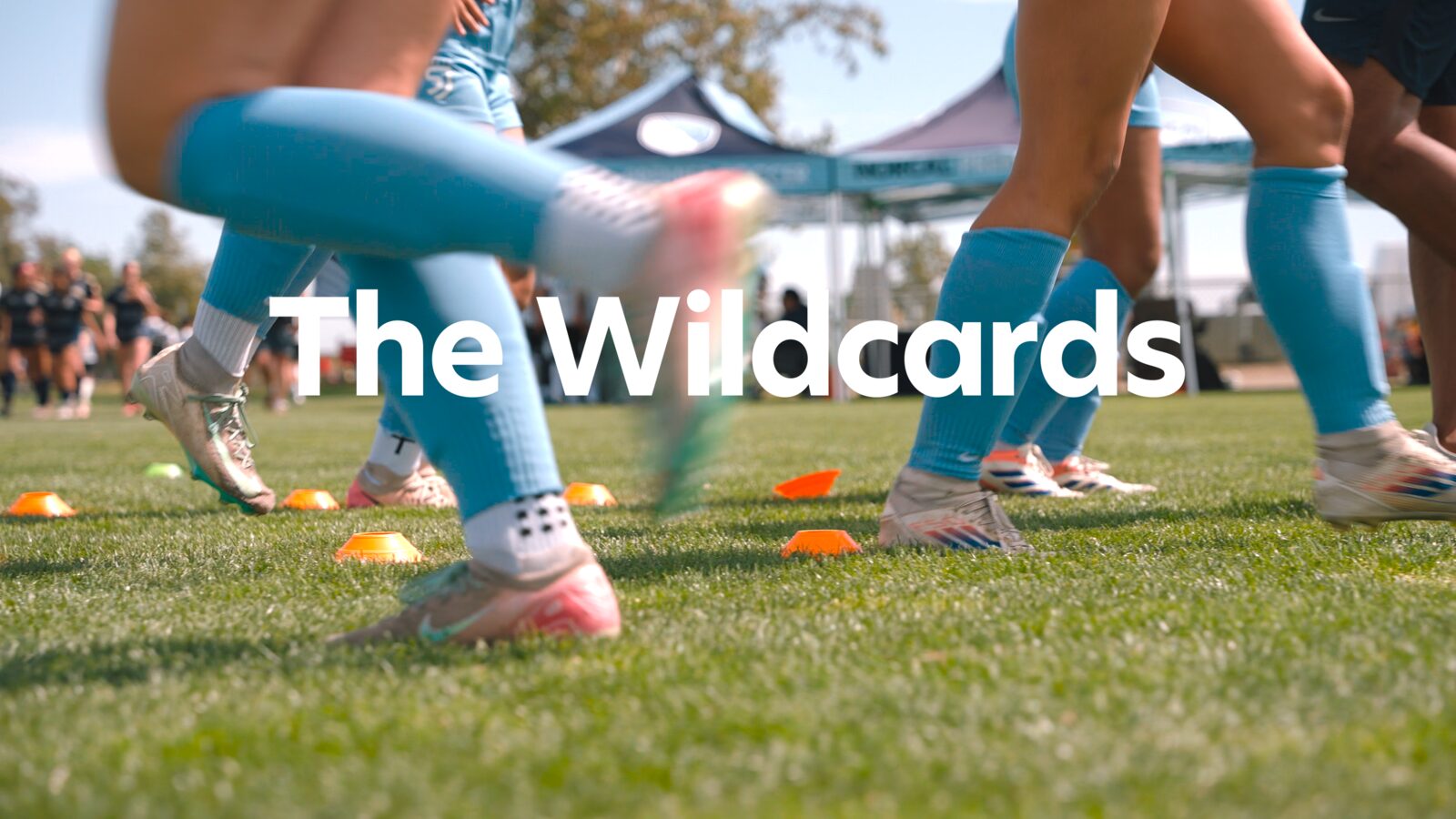
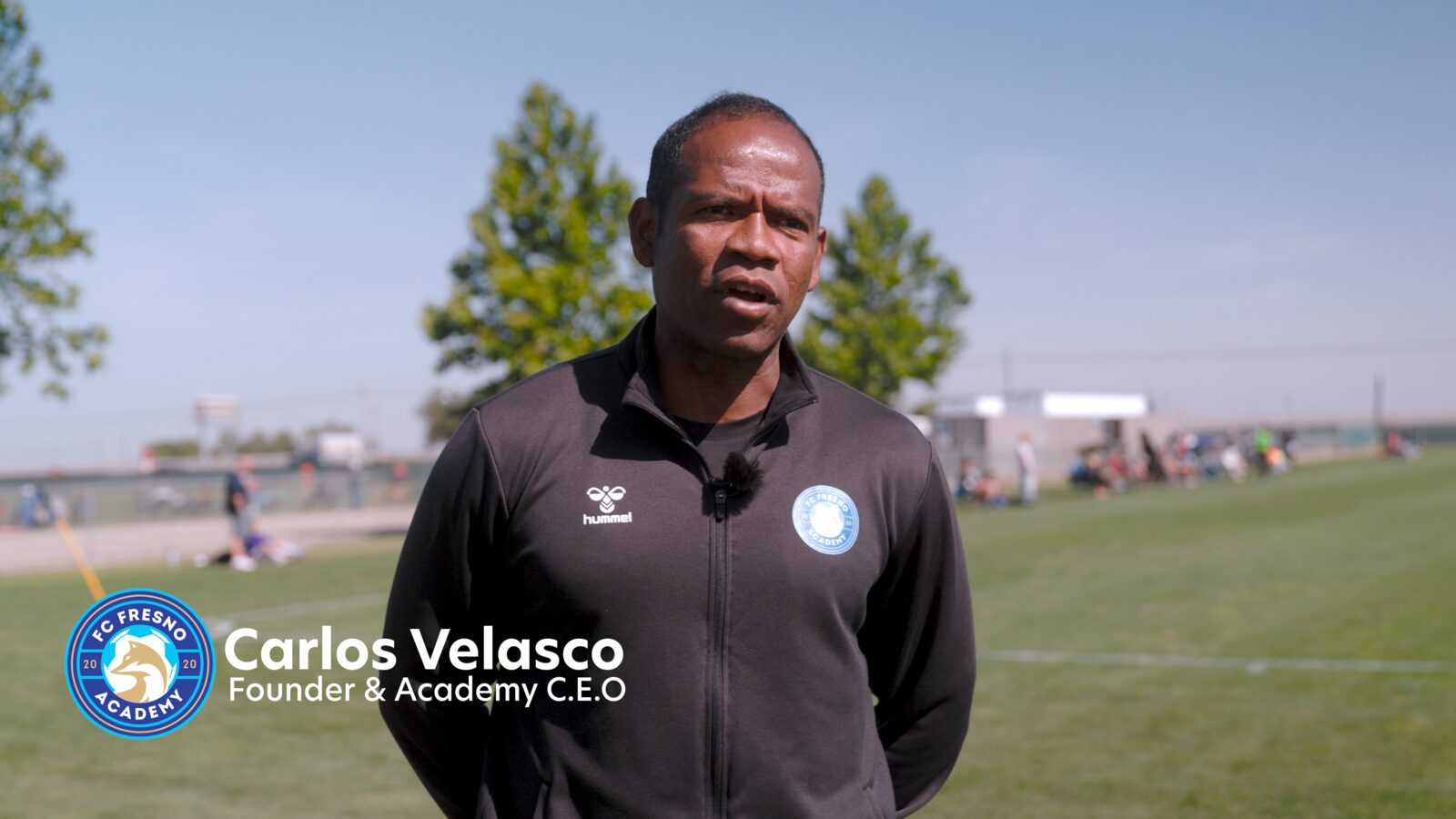
The RL sits just below the top tier of youth soccer in the country, and most of the clubs playing in it got there because they were built for it from day one. The "wild card" teams are different. They're single teams from smaller, community-based clubs who climbed the ladder — silver, gold, Premier, State Premier, NPL — and won their way into a league most people assumed was closed to them. NorCal wanted a piece that put a human face on that idea, so I built a short documentary spotlight around three of the people living it: Carlos Velasco, founder of FC Fresno Academy; Carmen Padilla, Youth Director of Coaching at San Juan South Soccer Club; and Dan Chamberlain, NorCal's Director of Competitions, who could speak to why the merit-based system exists in the first place.
Here's how a piece like that actually gets made — from the first scheduling email to the final export.
Scheduling: Three Interviews, One Day
This whole project came down to a single day: Saturday, May 16, 2026, 9am to 4pm. Three subjects, three different clubs, one shoot window — which meant there was no room for anything to run long.
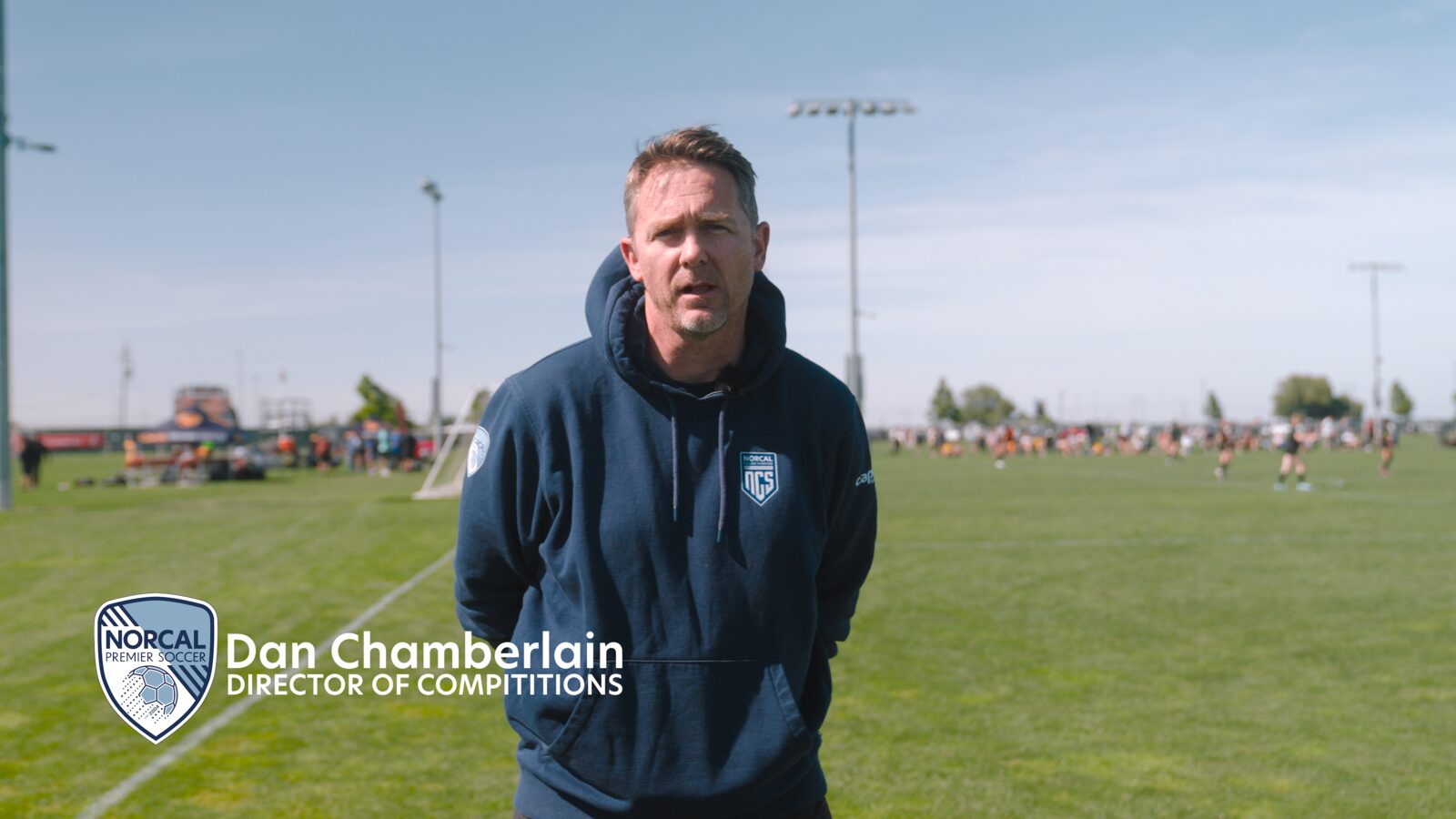
You don't get to pick the calendar on a project like this — the season does. Club directors and coaches are hardest to pin down during the exact weeks their teams are playing, which is also the only time the story is actually happening. Compressing Carlos, Carmen, and Dan into one Saturday meant the day had to be planned like a route, not a wish list — figure out where each person would actually be that morning and afternoon, build in the time to break down and drive between locations, and leave enough slack that a long game or a late warmup didn't blow up the schedule for everyone after it.
Shooting at live events instead of controlled sit-downs changes the whole calculus, too. You're not just booking a time slot, you're reading a schedule of games, figuring out the gap between matches when your subject can actually step away, and accepting that the background is going to be doing its own thing no matter what you plan for. Seven hours, three interviews, zero reshoot days — everything after that had to work with whatever came out of that Saturday.
Planning: One Question Set, Three Different Answers
The real planning work happened before anyone picked up a camera: writing a single interview guide that could work for all three subjects, even though their answers would be nothing alike.
Every interview followed roughly the same spine — name, club, and role; the club's founding story and what makes it distinct; how this specific team's path to the RL unfolded, level by level; what "wild card" means to them, personally and competitively; and where they want the team to go next. It's a simple structure, but it's doing a lot of work. Asking the same question three different ways to three different people is what lets you intercut their answers later and have them actually rhyme — Carlos talking about earning a spot "on the field," Carmen talking about "sisterhood" and role models, Dan zooming out to explain why NorCal built the merit-based system that made both of their stories possible. That parallel structure doesn't happen by accident in the edit; it gets built into the questions first.
Shooting: When the Field Talks Back
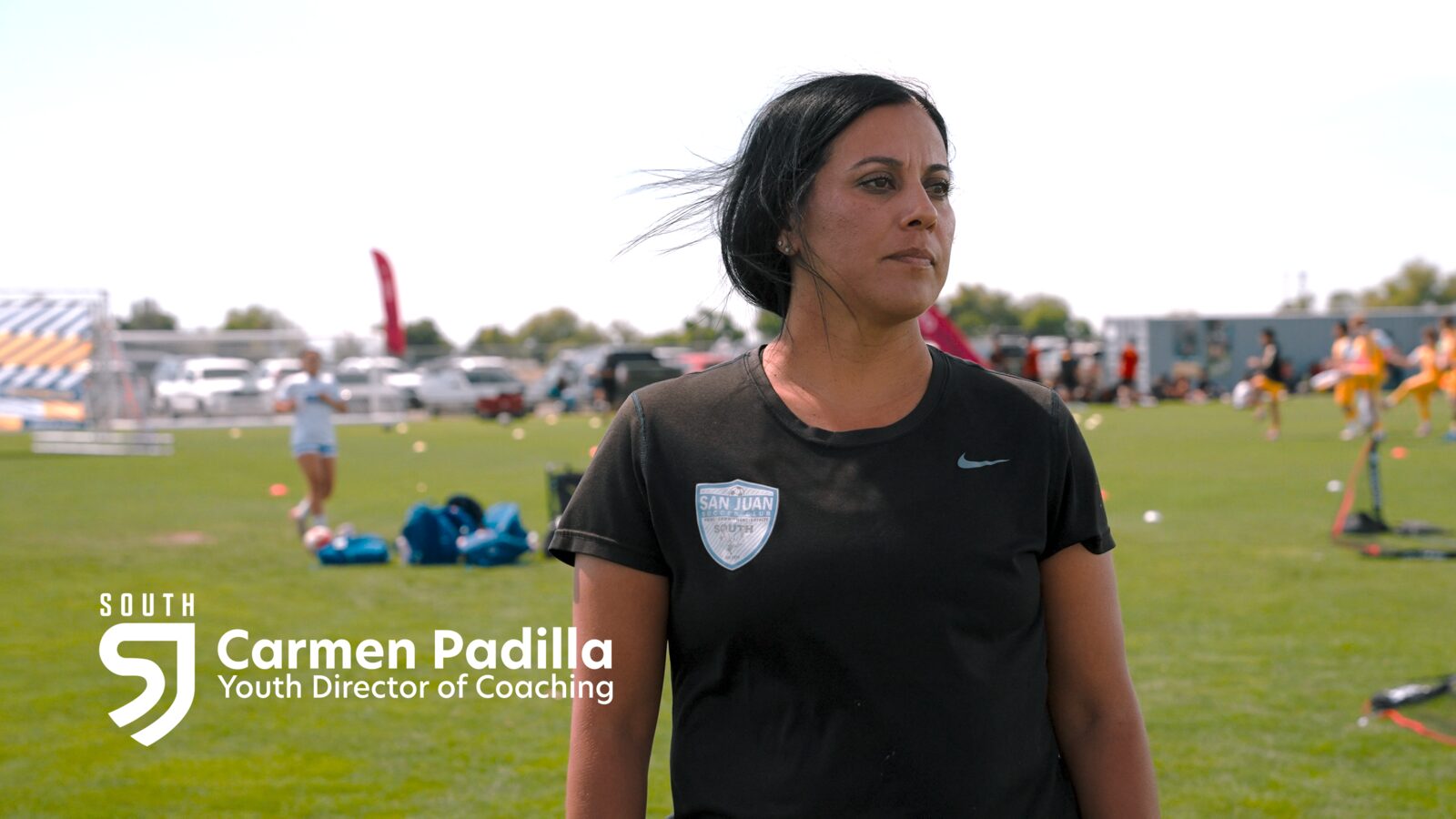
Field interviews are unpredictable in ways a studio never is. Wind is the biggest one — you'll notice in the raw footage that a couple of answers had to be redone because the wind picked up mid-sentence and buried the audio. That's not a mistake you catch until you're listening back, which is exactly why you ask for a clean second pass on anything important in the moment, rather than assuming you'll fix it later.
The rest is standard documentary blocking: keep the subject's club activity moving in the soft background rather than a dead backdrop, mic tight to cut down on the open-field wash, and let people talk in their own rhythm instead of rushing them to a soundbite. Some of the best material in this piece — Carmen's line about looking at old photos of her players "in their little Blueberry outfits," Carlos's answer about what soccer means to him — only shows up because the subject was allowed to sit in the question for a second before answering.
The Edit: Turning Three Interviews Into One Story
This is where the timeline gets messy — and it should. If you looked at the Premiere project for this piece, you'd see eight video tracks, eight audio tracks, and adjustment layers stacked end to end across almost the entire six-minute runtime. That's not disorganization, that's the actual shape of the work: three interviews shot in different light, at three different locations, all inside a single day, that all need to look and sound like they belong in the same film.

Adjustment layers are doing the heavy lifting there — carrying consistent color grading and effects across cuts that jump between a Fresno practice field, a Stockton club, and a NorCal showcase, so the audience never feels the seams. Underneath that, the real editorial work is structural: finding where Carlos, Carmen, and Dan are essentially saying the same thing in different words, and building the sequence so their answers hand off to each other instead of playing as three separate interviews stitched together.
Handling Revision Notes from Desiree
NorCal's marketing manager, Desiree Hankerson, sent the first round of notes as a clean, single list rather than a string of scattered comments — which made the whole round easier to work through in one pass instead of five. Reading through it, the notes split naturally into a few different kinds of work:
- Naming and titling. The title slide changed to "The Wildcards" — a small note, but one that shapes how the whole piece reads from the first frame.
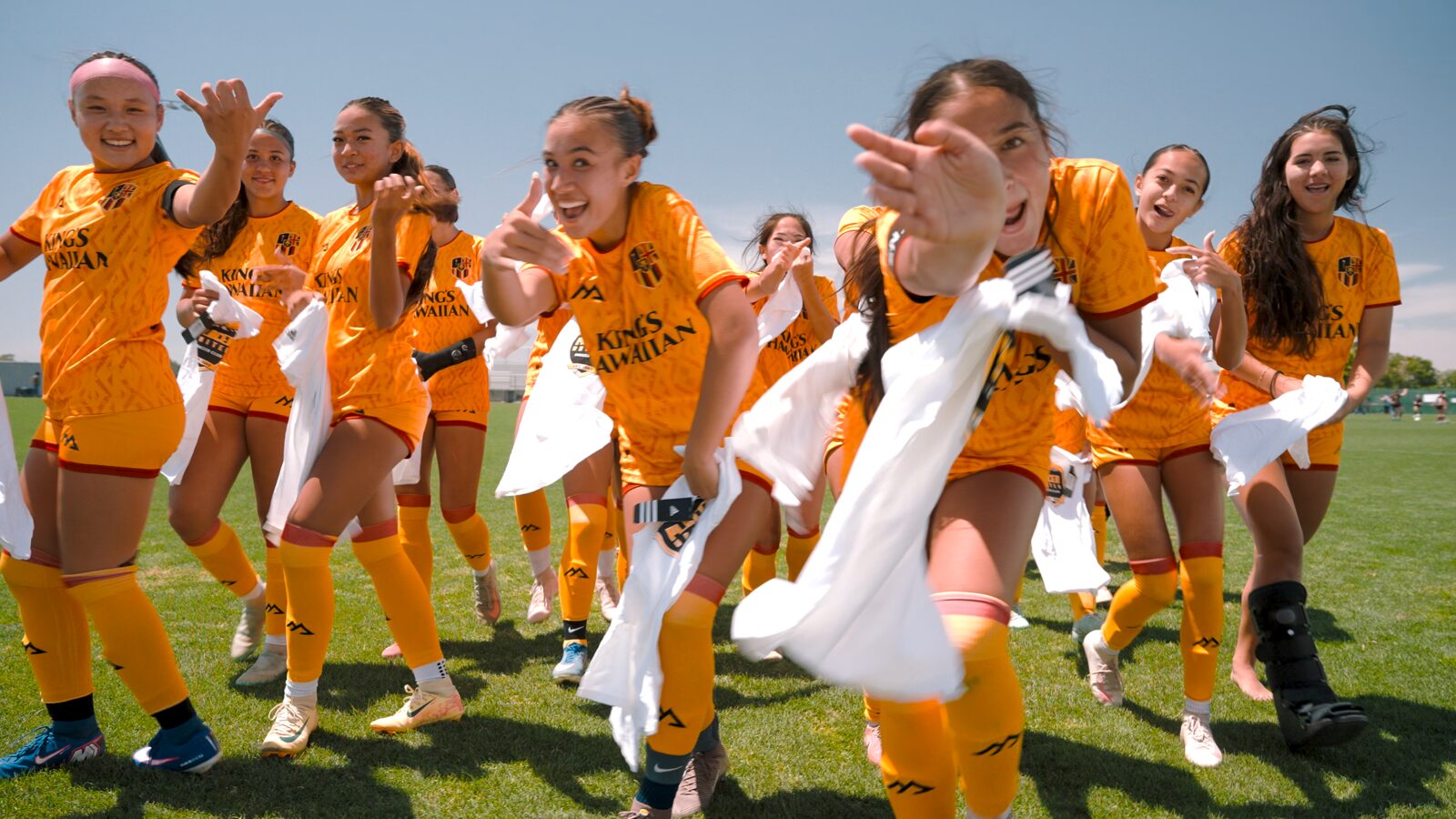
- Structural choices, not just fixes. The opening shot needed to switch from the yellow-jersey team to either San Juan or Fresno, and the piece needed to close on a team shot from one of those two clubs — bookending the video with the two clubs actually carrying the story, instead of a team that was only in it briefly.
- Clarity notes on content, not just craft. Desiree flagged that Carlos's section needed something added near the start to make it land, and asked whether I had any usable moment of him talking directly about being a wild card — a note about the story itself, which meant going back into his interview rather than just trimming what was already cut.
- A branding correction. The San Juan South logo next to Carmen's name needed to be swapped for the version on their jerseys, not the one on her shirt — the kind of detail that's easy to miss until someone who knows the club's branding looks closely.
- Footage judgment calls. There was strong footage of the Hawaii team, but the note was to hold it for a different video rather than force it into this one. Folsom Lake Surf got trimmed down to a single short clip, timed to the moment their coach talks about qualifying for the RL finals — everything else of theirs came out, because it wasn't part of this story.
None of those notes were about the edit being wrong — they were about sharpening whose story this was and making sure every shot was earning its place in a six-minute runtime.
The second round was smaller, but it's the one worth remembering. After watching the updated cut, I flagged the ending voiceover myself and asked Desiree if she thought it needed to be stronger — I was ready to send it back to my voiceover artist, Carrin, for another pass. Desiree's answer was better than a rewrite: she didn't think the video needed a voiceover there at all, and the ending played better without it. That's the kind of note worth staying open to — not every problem in a cut gets solved by doing more. Sometimes the fix is cutting the thing you assumed had to be there.
“I really like it!”
— Desiree Hankerson
Why It Matters
The finished piece runs about six minutes, but the idea behind it is bigger than the runtime: that a merit-based system means the story of who belongs at the top level isn't decided in advance. Carlos put it plainly —
“There's no free lunch, because the system goes both ways.”
— Carlos Velasco
Related notes
Production
Before the Cannon Fires
· 4 min read
Planning photo and video coverage for a 12-hour adventure race with no fixed route — and the logistics puzzle of catching a cannon that only fires once.
Production
Coming SoonLighting Interviews Without Losing Authenticity
Good lighting should support the subject and environment without making an honest conversation feel overly staged.
Have a story you'd like to talk through?
These notes come from working with real people on real stories. If something here connects to a project you're planning, I'd like to hear about it.